3 MIN READ
By ARTEMIO A. DUMLAO
www.nordis.net
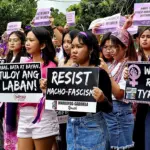
BAGUIO CITY—Online harassment allegedly perpetrated by Philippine authorities, including the practice of red-tagging, creates a climate of fear that deters young human rights defenders from activism and free expression, Amnesty International’s first youth-led report revealed.
The report, Left to their own devices: The chilling effects of online harassment among young human rights defenders (YHRDs) in the Philippines, states that “young activists aged 18 to 24 shared experiences of being red-tagged, doxed with personal information published online without their consent, and trolled.” They describe how this harassment led to self-censorship, infringed on their rights to freedom of expression and association, and, in some cases, forced them to abandon their work as activists or journalists.
According to Mia Tonogbanua, Amnesty Philippines Vice-Chairperson and former Youth Board Representative, “The chilling effect of online harassment severely impairs the rights of these young human rights defenders. It not only threatens the individual but also undermines their capacity to do their work to defend human rights.”
The report highlights how young activists’ age, sexual orientation, student status, and institutional affiliations magnify the risks and impacts of online harassment.
This study is part of RightUp, Amnesty International’s first youth-led research initiative. It centers young voices often overlooked in traditional human rights work.
Nine young researchers documented and investigated the experiences of YHRDs through desk research, an online questionnaire, and interviews with young people aged 18 to 24. Amnesty International provided resources, guidance, and technical support.
The report adds that state-sponsored online harassment has had disturbing effects on young activists. They describe suffering psychological distress, isolation from family and peers, and a sense that their human rights work is being devalued.
Tonogbanua cited the experience of Habagat, a student activist who received death threats after being publicly red-tagged on the National Task Force to End Local Communist Armed Conflict’s (NTF-ELCAC) Facebook page. “I couldn’t sleep properly for three weeks after it happened,” he recalled. “I was constantly afraid for my safety.”
NTF-ELCAC was established by the Philippine government in 2018 as part of its response to the ongoing communist insurgency. However, it has been criticized by activists and human rights groups, including Amnesty International, for allegedly red-tagging social critics and activists.
Amnesty also cited the case of Marisol, an environmental defender who resorted to “playing it safe” and self-censorship to avoid backlash on controversial issues. This approach, however, left her conflicted: “It’s like you’re not taking a stand on what needs to be done.”
Sarita, a young advocate for peace and security in the southern Philippines, told Amnesty that online harassment “made me feel so weak, so inferior compared to these politicians with all the powers that they have.”
Amnesty says online harassment affects various rights, including freedom of expression, peaceful assembly, health, remedy, non-discrimination, and the right to defend human rights.
Young activists also described a widespread fear of participating in public discussions. Some attributed this to fears of government reprisal through online harassment. Many expressed doubt about the value of their voices and expertise in the face of online violence and hatred, the report added.
Despite these challenges, YHRDs have adopted strategies to sustain advocacy work. These include establishing internal well-being committees, enforcing safety protocols, and accessing mental health services.
“Being a young human rights defender in the Philippines is not safe, comfortable, or ideal. Yet… young activists continue to fight, spurred onwards by strategies for care and commitment to justice,” Tonogbanua added.
Amnesty blamed the Philippine government for “consistently fail(ing) to fulfill its obligations to protect the rights of human rights defenders.” Perpetrators of online harassment, the group said, are not held accountable, while young activists bear the consequences without sufficient protection.
The Philippine government, which has not commented on the report’s findings, is being urged to end “state-sponsored red-tagging, intimidation, harassment, threats or attacks against activists, including young human rights defenders.”#nordis.net