2 MIN READ
By JOSEPH GREGORIO
www.nordis.net
BAGUIO CITY — Transport group Pagkakaisa ng mga Samahan ng Tsuper at Operator Nationwide (PISTON) – Metro Baguio said the approval of a local “Special Fare Rate” (SFR) in the city exposes gaps in the national government’s response to rising fuel prices, as fare decisions shift to barangays and transport groups.
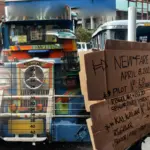
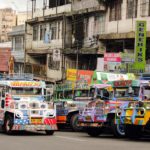
Several jeepney routes have begun posting fare-hike advisories set to take effect on April 8. The regular fare is P20.00 for the first four kilometers, with an additional P2.00 for each succeeding kilometer, following consultations with the Land Transportation Franchising and Regulatory Board (LTFRB).
PISTON Metro Baguio welcomed the move but said it highlights the absence of a clear national policy on fare adjustments.
“This lays bare the chronic neglect and inaction of the national government in addressing the urgent need for a just and adequate fare adjustment,” the group said.
The Department of Transportation in the Cordillera (DOTr-CAR) said the system follows a “bottom-up process” and is not automatic.
Regional Director Glenn Dumlao said barangay-led consultations must first produce recommendations, which will then be submitted to the LTFRB. He urged barangay officials to coordinate with transport groups when applying for the SFR on specific routes.
The policy aligns with the national government’s decision to suspend public utility vehicle fare increases and aims to address route-specific conditions, including steep, remote areas where standard fares may not cover operating costs.
Dumlao said fare computation will consider fuel consumption for one-way trips on difficult terrain, driver compensation to ensure a living wage, and operator boundary requirements. He added that mandated discounts for senior citizens, persons with disabilities, and students will remain in effect.
PISTON Metro Baguio said the lack of an official fare adjustment has resulted in “disorganized implementation and confusion” among drivers, operators, and commuters.
The group said some jeepney drivers have stopped operating after failing to reach daily breakeven, with the disruption first affecting routes in peripheral areas such as Tublay and Sablan before extending to routes near the central business district.
“This drawn-out and uncertain process drains the time, energy, and already scarce resources of the people, while the state remains passive and unaccountable,” PISTON added.
It said the current arrangement places the burden of decision-making on local communities and forces both drivers and commuters to absorb rising costs.“We extend our solidarity to the commuting public for their understanding and collective action during this period, even offering to pay beyond the required fare,” the group said.# nordis.net