Inaction Deepens Fuel Crisis
3 MIN READDelaying decisive action, especially when viable options are on the table, such as removing fuel taxes and regulating the industry, risks deepening a crisis already evident in daily life.

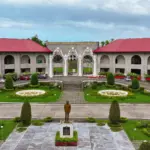



Baguio City, known as the Summer Capital of the Philippines, is one of the most popular tourist destinations in the country. In 2024, the Cordillera Office of the Department of Tourism (DOT-CAR) reported that visitor numbers exceeded 1.56 million.
Besides having many eye-catching tourist spots, one of the main reasons people want to visit this city is probably its unique culture.
Mine’s View, one of the most popular spots in Baguio, has a section where they rent out indigenous Cordilleran clothing to tourists for 50 pesos. For a small fee, anyone can take photos and try to capture the “authentic Baguio experience” by simply wearing a “bahag,” for example. But more than just harmless fun of feeling local, this points to a deeper story about what it means to wear this native dress.
The colors red, black, and white in the fabrics of the “bahag” are not chosen randomly—they carry deep meanings rooted in Igorot culture. Red symbolizes bravery, independence, war, and blood. Black is seen as the color of faith, linked to prayer rituals. White represents purity and unity. From this, it’s clear that wearing traditional indigenous attire is not just about clothing; it reflects a broader cultural significance
However, behind those posed photos while wearing the so-called “costumes” lies the real story. This causes misrepresentation. What happens when a symbol of identity becomes just a prop for a performative display?
As a communication student, I still vividly remember one of our discussions on how communication functions as a form of representation. In semiotics, a sign consists of a signifier (the indigenous attire) and a signified (its meaning–identity, heritage, belonging).
For the Igorots, their native clothing conveys a story of ancestry, dignity, and resistance. However, when others wear it casually, it loses its original meaning. The attire then becomes a symbol of the “Baguio experience” rather than “Igorot roots.”
According to Roland Barthes’ semiotics, this shift is called myth-making. It occurs when cultural symbols are reduced to commodities. In this case, clothing is no longer seen as a symbol of history but as a marketable image, losing control over its presentation.
Even though some might argue that renting out these garments is a form of appreciation, it is not justified because understanding one’s cultural background is necessary. It can be seen as disrespectful to the indigenous community due to a lack of knowledge. The stories behind those attires are turned into costumes for an outsider’s entertainment
As a solution, respect and awareness in tourism should be promoted. The idea of treating indigenous dress as a “costume” should not be tolerated. Meanwhile, local rental providers should also explain to their customers the background behind the indigenous attire they rent. In the bigger picture, local institutions can also support this by conducting cultural education to protect native representation.
Wearing these clothes casually by random people may seem insignificant, but its impact on cultural identity is not. So the next time you visit Baguio or other areas, show respect for the culture by understanding instead of just wearing it.# nordis.net
* The author is a sophomore journalism student at the University of the Philippines – Baguio. He enjoys writing about social issues that impact the community and the public.
Editor’s note: The opinions expressed do not reflect the views or positions of Nordis. They are published to encourage open dialogue and diverse perspectives. Nordis reserves the right to edit for clarity and length, but the opinions remain solely those of the author.
3 MIN READDelaying decisive action, especially when viable options are on the table, such as removing fuel taxes and regulating the industry, risks deepening a crisis already evident in daily life.
2 MIN READThe culture of bardagulan and bangayan is now very prominent on social media. But it is a reflection of deeper social and political fractures in the offline realm.
3 MIN READThe first national West Philippine Sea (WPS) Mural Festival was conceived as a nationwide competition among Filipino artists to create public artworks that promote patriotism and support efforts to protect the WPS.
2 MIN READItigil ang pagsisisi sa maliliit na mananaya at kubrador. Sila ang madaling hulihin at ipakita, pero hindi sila ang utak. Wala sa kanila ang pondo, proteksyon, at koneksyon.
