FEATURE| January 15, 2020
2 MIN READ
www.nordis.net
The Chico River Pump Irrigation Project (CRPIP) was among the top stories of 2019. Northern Dispatch (Nordis) covered the controversies and protests surrounding the China-funded flagship project under the Build, Build, Build program of the Duterte administration.
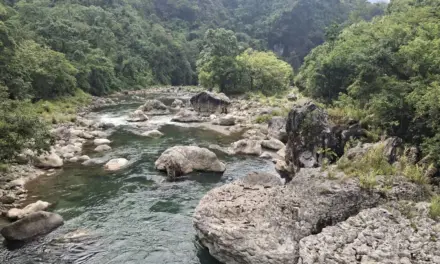
Located in Pinukpuk, Kalinga, the government eyes the
P4.37 billion facility to service 8,700 hectares and 4,350 individual farmers,
mostly in Cagayan province. The project made headlines for the loop-sided
provisions in the loan agreement. Besides the high-interest rate compared to
other multilateral financing institutions, the arrangement also provides for
arbitration in Chinese court in case of a dispute. The Philippine government
likewise used patrimonial assets as collateral for the loan. The contract also
stipulated to purchase the equipment for the facility from China. The lender
also determined the contractor, bypassing the country’s procurement law, and
awarding the job to China CAMC Engineering Co., Ltd (CAMCE).
The National Irrigation Administration Region 2
(NIA-2), the proponent of the project, made multiple violations of the free,
prior, and informed consent (FPIC) process. Foremost was its failure to present
the complete details of the contract governing the project, which violated the
principle of transparency and full disclosure. Construction of the facility
also commenced in the absence of the Certification Precondition, a requirement
before projects can start in indigenous peoples’ lands. The breach prompted the
National Commission on Indigenous Peoples (NCIP) to request suspension of activities in the
project site. After NIA ignored the request and continued the construction
in limited sections of the structure, NCIP did not take further action. Despite
the numerous violations, the NCIP en banc issued the Certification
Precondition.
Months after the construction commenced, the
authorities discovered multiple violations of labor laws. The Department of
Labor and Employment-Cordillera Administrative Region (DOLE-CAR) confirmed that
Chinese nationals working in the site lack alien working permits. CAMCE also
failed to secure a special license from the Philippine Contractors
Accreditation Board before starting the project. The company’s construction
safety plan, a requirement under the Occupational Health and Safety Standards
laws, was also absent. Meanwhile, NIA belatedly admitted that there were 66
highly skilled engineers and workers from China necessary for the tunneling and
construction of the pump house.
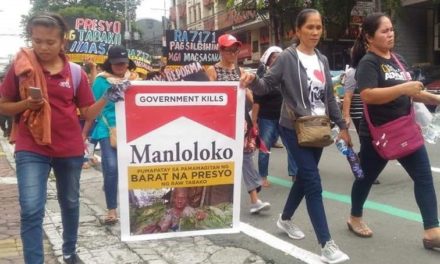
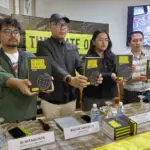
Progressive groups were at the forefront of exposing the Duterte government’s preferential treatment of China. Attorney Neri Colmenares of Makabayang Koalisyon ng Mamamayan (Makabayan) questioned the constitutionality of the deal. Along with other Makabayan solons and people’s organizations, they challenged the agreement before the Supreme Court.
On the ground, the Cordillera Peoples Alliance (CPA) exposed the violations of indigenous people’s rights, NCIP’s lackluster response, and blatant disregard of the FPIC guidelines by NIA-2, CAMCE, and NCIP. It condemned the NCIP en banc for hastily issuing the CP despite the procedural breaches committed, noting that it was a bad precedent. The organization’s site visit revealed to the public the presence of Chinese workers. It prompted the labor office to conduct the probe. CPA also raised the sustainability of the facility concerning other extractive and dam projects. The group also noted that the proponent did not consider the impact of climate change on the water discharge of the Chico River.
The reportage on the CRPIP proved that ensuring the
right to self-determination does not lie with the NCIP nor the guidelines it
created, but the collective assertion and action of indigenous peoples and
communities. # nordis.net