







Pokus: Fight vs climate change
2 MIN READ
By ADELA DEYAEN WAYAS
www.nordis.net
Indigenous Peoples (IPs) from different countries, who attended the International Conference on Indigenous Peoples Rights, Alternatives and Solutions to Climate Change last November 6-9 at Ridgewood Residence Hotel, clamor for the recognition of traditional knowledge as a solution to the climate crisis.
In this relation, participants explained that the IPs are the most affected by the natural or human made disasters. Climate change has influence on the sources of livelihood in their communities. According to the internet climate change refers to changes in long-term trends in the average climate, such as changes in average temperatures. When asked what is their idea of the climate change, how serious it is and what should we do to address the problem, the following answers were given by some of the delegates.
Jiten Yumnam, a delegate from India, said IPs have suffered already. He said that the government does not support IP communities which are affected by climate change. “Solutions of the government are market based which they often impose on indigenous territories.” Some other solutions he said lead to the destruction of forests, mega dam projects, etc.
According to Lara Maestro from the Migrante based in Canada, the “people are feeling the effects of climate change.” She said that one way of solving the problem is to work down the corporations that greatly contribute to the carbon emissions and implementing programs very unfriendly to the environment.
Trevor Younie also from Canada said that the only way to address the problem of climate change is when people in developed countries also think of the rest of the world. He added that because of conditions in the IP communities, the impact of the climate crisis becomes worse.
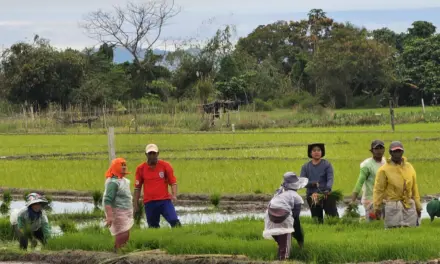
Ince Dian Aprilyani Azir, 20, said that climate change affects especially the IPs because their livelihood is also affected. “Farmers and fishermen can not fulfill their needs anymore,” said Ince.
Ince is a student and the chairman of the Indonesian Scholars and Leaders Council in Indonesia.
This was supported by Navin Limbu, the President of the Nepal Indigenous Students Federation. He said that the impact of climate change and disasters hit the source of living of the people. Limbu said that without the environment which is the source of life, the people especially the IPs can not survive.
Because of climate change scientific studies report that water levels around the globe increased said Lalit Chakma of the Maleya Foundation from Bangladesh. “Lands submerge and the people have to transfer to other lands,” he said.
With all the impacts of climate change in all aspect of the life of a man, traditional knowledge is seen as the best way to alleviate climate crisis.
“We have to maintain our traditional knowledge, our culture to survive and mitigate the impact of the climate change and disasters,” said Simon Pabaras, an IP advocate from Indonesia. Simon is with the Aliansi Masyarakat Adat Nusantara (AMAN), an alliance composed of indigenous communities frontlining programs for the welfare of the Ips in Indonesia.
Since the Kyoto Protocol was introduced, mega projects that contribute to the carbon emission, destruction of mountains, pollution in the water system and many more can not stop from mushrooming already. The government of the countries do not recognize the traditional ways of the people and implement policies and programs detrimental rather than helpful for the IPs. # nordis.net