When Dissent Becomes ‘Terrorism’
4 MIN READCounter-terrorism frameworks, red-tagging, and preventive designation systems are turning political participation, land struggles, and environmental defense into security risks.










By SAMANTHA GUTIERREZ
www.nordis.net
For most people, Baguio City is summed up in a pretty postcard: foggy trees, strawberry taho, or a quick two-day, one-night escape from the scorching lowland heat. It’s true for the most part—tourism is a big factor in the city’s thriving economy, which contributes up to 25% of its Gross Domestic Product.
However, the city is not merely a weekend destination for “finding oneself” or for testing the “Baguio curse” with a partner. For thousands of students who leave their provinces in search of independence, the place becomes a temporary home.
Baguio is, and long has been, a university town.
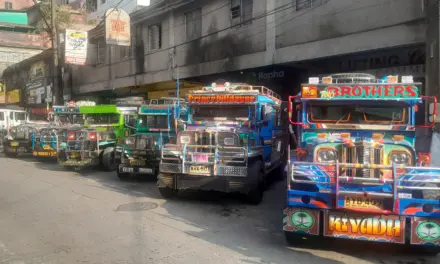
Since the establishment of Baguio Colleges (now the University of the Cordilleras) in 1946, the city has evolved from the country’s Summer Capital to the Educational Center of the North. When you walk through a jeepney terminal during rush hour, you will see long lines of students wearing different ID laces, heading home to their dorms in La Trinidad, Bakakeng, or Aurora Hill.
The city also caters to this academic population: from its 24/7 cafes filled with laptops and reviewers, to the affordable student food hubs like “Kubo” on Assumption Road, “Move On” at Upper Session Road, and the recent trend of weekend flea markets that mimic Salcedo-style pop-up bazaars. The primary demographic for this is not just tourists, but also students who sustain local businesses long after the holiday rush has passed.
In fact, data from the Philippine Information Agency show that before the pandemic, students contributed approximately ₱8.9 billion to Baguio City’s economy.
Tourism peaks only at certain times of the year. Students, however, stay. They ride public transport, walk everywhere, and adopt locals’ manners in ways tourists never fully respect. They join rallies and sign petitions to protect the city, walk out of their classes to demand accountability, and live within their community.
Thus, imagine what could happen if the city government invested not just in tourism infrastructure but also in systems that support its student populations.
What if the city extended jeepney hours? Perhaps more Aurora Hill jeeps? What if public transportation were improved with the needs of students in mind, rather than adjusting traffic flow for tourists during peak seasons?
What if the city expanded safe, affordable student housing rather than focusing on marketing to transients and hotels?
What if funding and support for student-athletes were strengthened, enabling them to perform at a high level and represent the city?
By centering students in urban planning, Baguio would not just remain a famous tourist destination but also live up to its name as a quality educational center. When the city invests in its youth, Baguio can become a model of a city that truly values quality education and student life, enabling future professionals to thrive.
After all, investing in students is also investing in the city’s future. It is time to hear the calls of the city’s best visitors: a better transportation system, improved facilities, and funding for student-athletes.#nordis.net
Editor’s note: The opinions expressed do not reflect the views or positions of Nordis. They are published to encourage open dialogue and diverse perspectives. Nordis reserves the right to edit for clarity and length, but the opinions remain solely those of the author.
4 MIN READCounter-terrorism frameworks, red-tagging, and preventive designation systems are turning political participation, land struggles, and environmental defense into security risks.
3 MIN READBesides opening doors for intricate human stories, this annual showcase of bold and untested works continues to draw acclaimed directors, well-known actors, and diverse, enthusiastic audiences.
2 MIN READKapag ang gamot ay naaagnas sa bodega habang may mga pasyenteng walang malunasan, hindi lamang pera ng bayan ang nasasayang—maging ang tiwala at buhay ng mamamayan ay unti-unting nililibing.
2 MIN READCaution is something the Philippine government should take into account, especially now that the country is preparing for wider AI training, school partnerships, government adoption, and AI-related investments.
