When Dissent Becomes ‘Terrorism’
4 MIN READCounter-terrorism frameworks, red-tagging, and preventive designation systems are turning political participation, land struggles, and environmental defense into security risks.


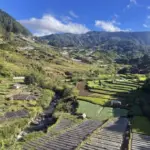



In the early 1990s, I wrote a story for Gold Ore, a weekly newspaper, about the women of Samoki who barricaded a construction firm attempting to claim legal rights over the sand and gravel of the Chico River. The women were surprised and outraged that a firm owned by an outsider was prohibiting them from collecting sand and gravel from what they had long regarded as their tayan.
Tayan is a clan-owned property. In certain parts of the river, clans build and rebuild kaot, temporary rice fields that are washed away during the rainy season. These kaot eventually became the basis for ancestral claims over specific portions of the river.
In the Gold Ore story, what I witnessed was not clans asserting exclusive rights, but rather women from the broader community banding together to block the construction firm’s access. At that time, sand and gravel were considered communal resources, accessible to all community members. Even those from outside Samoki or Central Bontoc could collect materials, provided they asked permission properly and did not take more than what was reasonable. After all, sand and gravel from the river were regarded as renewable.
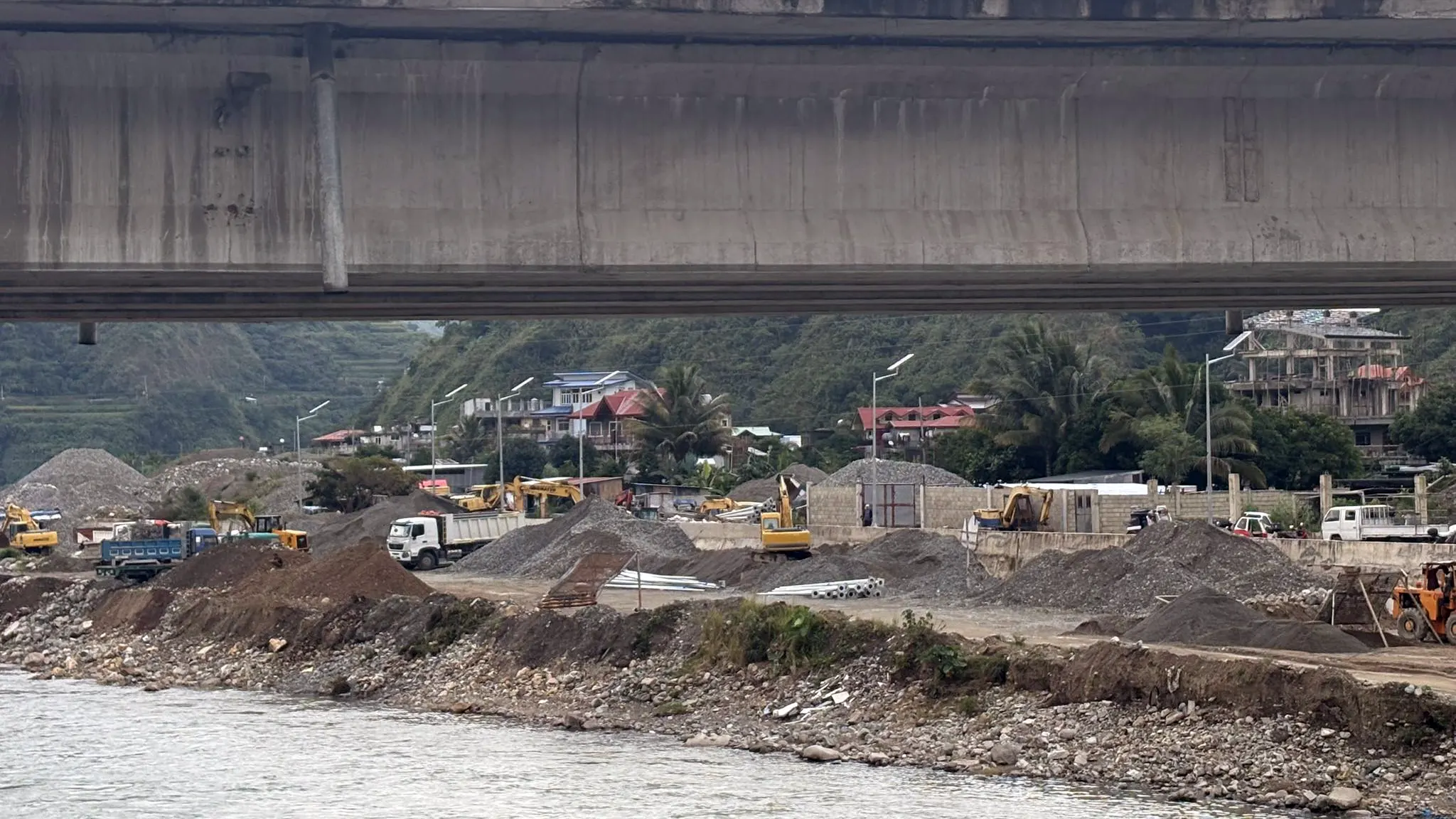
Today, things have changed. Several houses now stand between the main fabfey (settlement) of Samoki and the Chico River. Some tayan have reportedly been sold or leased to construction firms. Recently, one clan objected to a quarrying permit granted to an individual clan member who acted without consulting the rest of the clan.
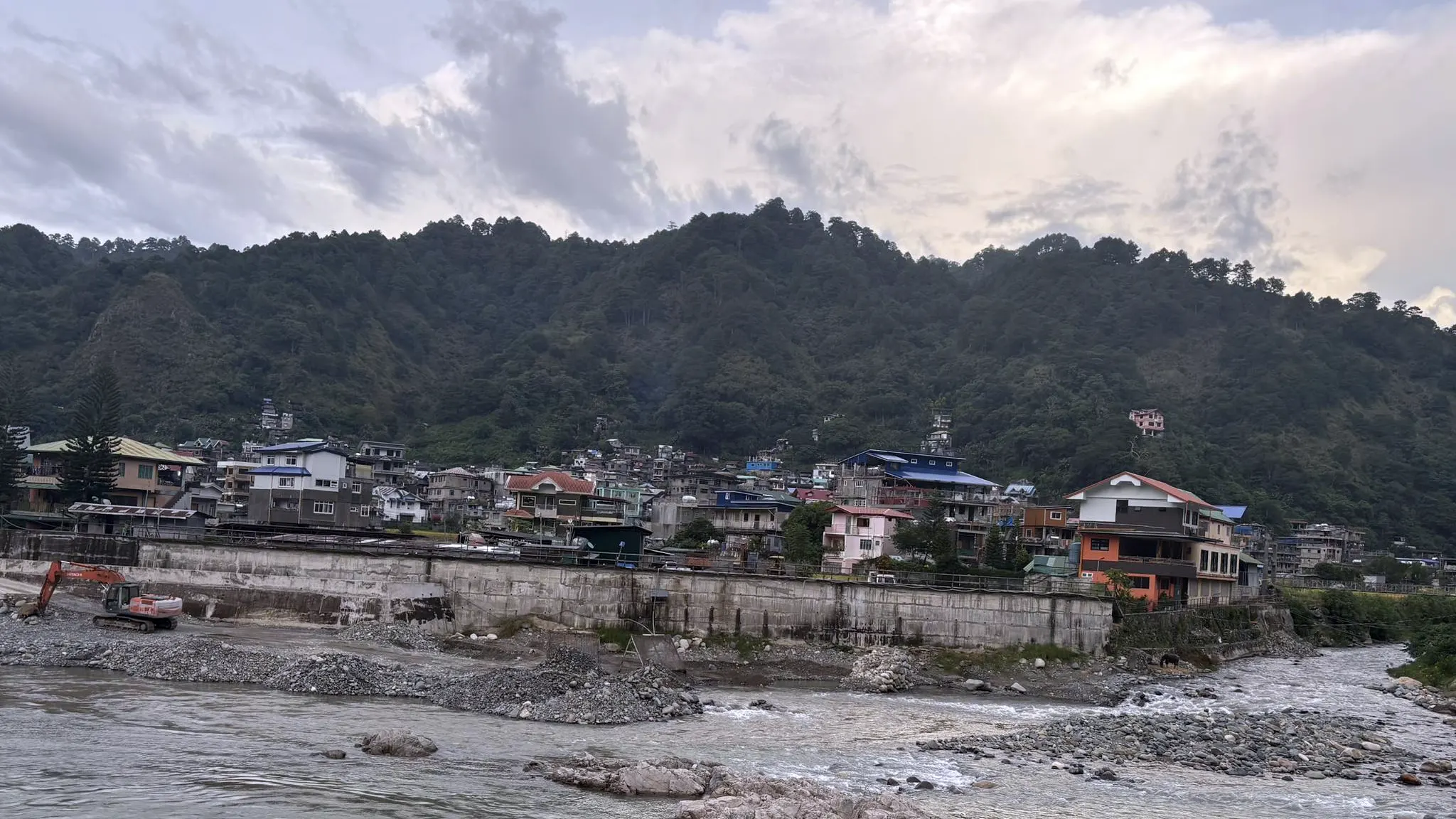
It appears that the community has now lost significant control over these river resources. Large-scale quarrying operations, particularly those near the Jumbo Bridge connecting Samoki to Central Bontoc, appear to be taking place unchecked. These activities are not only disempowering local residents but are also viewed as dangerous to the structural integrity of the bridge.#nordis.net
Editor’s note: The opinions expressed do not reflect the views or positions of Nordis. They are published to encourage open dialogue and diverse perspectives. Nordis reserves the right to edit for clarity and length, but the opinions remain solely those of the author.
4 MIN READCounter-terrorism frameworks, red-tagging, and preventive designation systems are turning political participation, land struggles, and environmental defense into security risks.
3 MIN READBesides opening doors for intricate human stories, this annual showcase of bold and untested works continues to draw acclaimed directors, well-known actors, and diverse, enthusiastic audiences.
2 MIN READKapag ang gamot ay naaagnas sa bodega habang may mga pasyenteng walang malunasan, hindi lamang pera ng bayan ang nasasayang—maging ang tiwala at buhay ng mamamayan ay unti-unting nililibing.
2 MIN READCaution is something the Philippine government should take into account, especially now that the country is preparing for wider AI training, school partnerships, government adoption, and AI-related investments.
