Festivals are prime manifestations of the Filipino’s fervent devotion and faith, characterized by history, artistry, creativity, and passion.
“Viva Pit Senyor” and “Viva Señor Hesus Nazareno” reverberate during January, the best month for festival hopping in honor of Jesus Christ, either as the young Santo Niño or as the adult Black Nazarene.
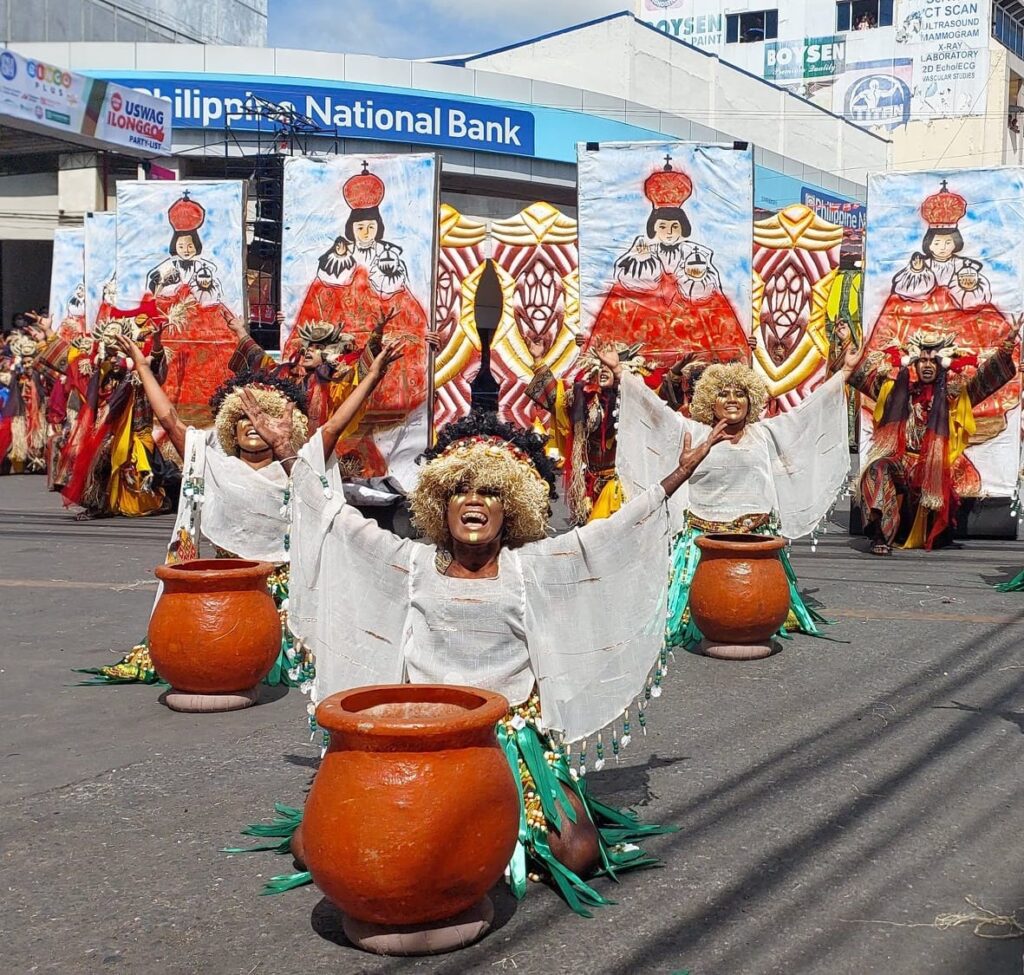
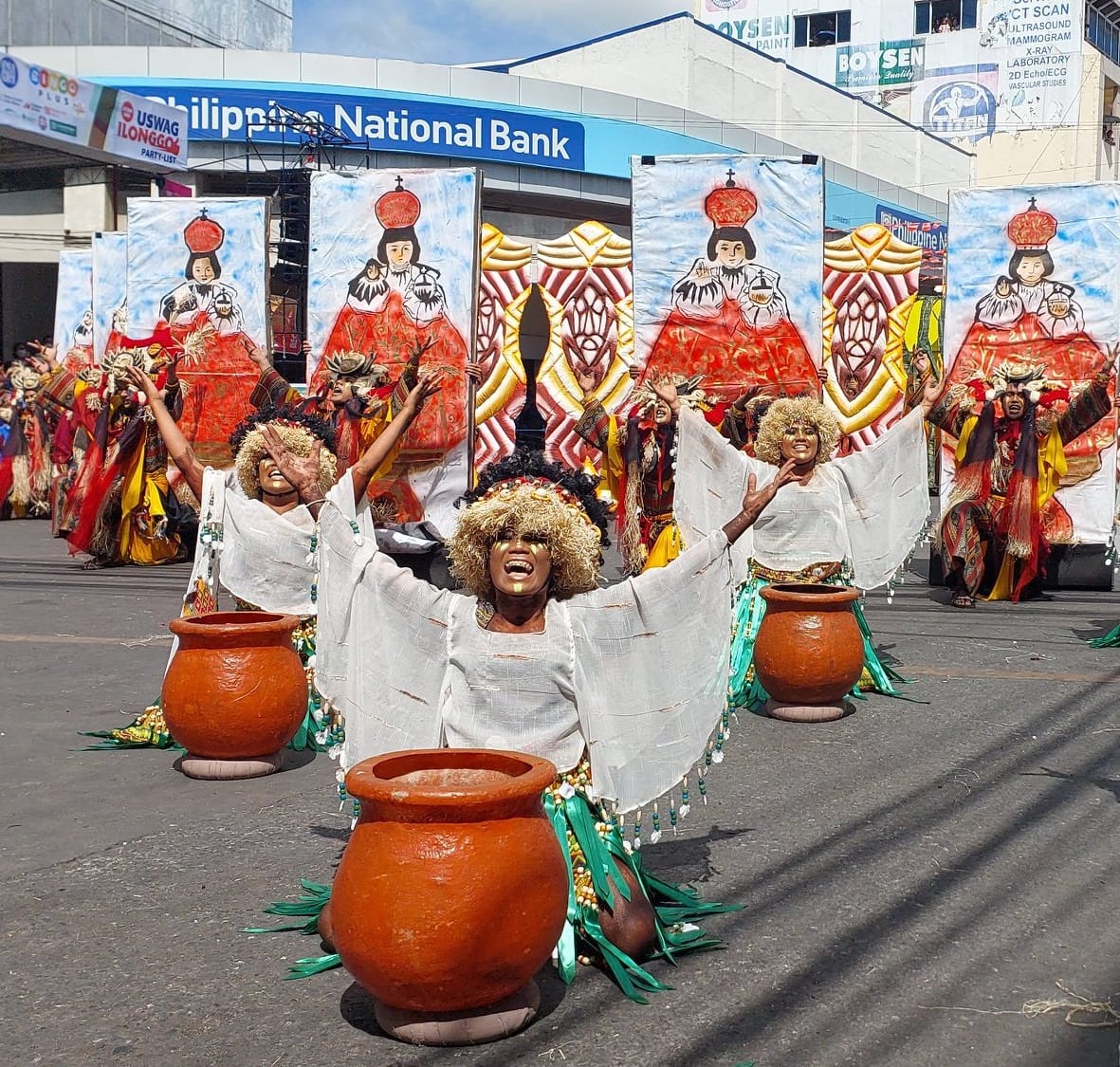
After the Traslación of the Black Nazarene in Quiapo, Manila, every January 9, the main religious festivals in the succeeding weeks in honor of the child Jesus are the Ati-Atihan of Kalibo in Aklan, Sinulog of Cebu, Lakbayaw of Tondo (second weekend), Dinagyang of Iloilo (third weekend), and Dinagsa of Cadiz City (last weekend).
Manila Archbishop Jose Cardinal Advincula reminded the faithful to be “childlike” in their faith, as the Santo Niño dares everyone to love and believe in goodness like a child despite advancing in age.
“The child Jesus challenges us to grow out of our old and sinful ways and develop into more loving persons. He also invites us to see our neighbor with His eyes, that always believes and hopes in the goodness of the other,” he said.
The three oldest Santo Niño images in the Philippines, located in Cebu, Tondo, and Iloilo, represent a rich tapestry of faith, culture, and the enduring legacy of the Santo Niño in Philippine history.
The Santo Niño de Cebu, dating back to 1521, is considered the oldest and most revered. It was originally a gift from the Conquistador Ferdinand Magellan to Rajah Humabon (baptized as Carlos) and his wife, Hara Humamay (baptized as Juana), on the occasion of their Christian baptism. It is now housed in the Basílica Minore del Santo Niño de Cebú.
The Santo Niño de Tondo was brought to Manila from Acapulco in 1572 during the expedition of Miguel López de Legazpi. It is enshrined in the Archdiocesan Shrine of Santo Niño de Tondo.
Lastly, the Santo Niño de Arevalo was brought by Spanish Governor-General Gonzalo Ronquillo de Peñalosa in 1581 to the town of La Villa Rica de Arevalo, now a district in Iloilo City.
“Viva Pit Senyor” is a phrase used to express gratitude to the Santo Niño, originating from the Sinulog Festival. It is an abbreviation of the Cebuano phrase “sangpit sa Señor,” which means “a plea to the Señor Santo Niño.” “Pit” is short for “sangpit,” meaning to call out to someone with a specific intention. “Señor” is the Spanish word for “Lord.”
In Cebu, the word Sinulog comes from the Cebuano adverb “sulog,” roughly meaning “like water current movement,” describing the forward-backward dance steps performed to the beat of drums.
In Iloilo, the word Dinagyang comes from the Hiligaynon word “dágyang,” meaning “merrymaking.” It traces its roots to the pact between the Datus and the locals after the arrival of Malay settlers and the legendary barter of Panay Island with the Ati.
The main part of the festival is the Ati tribe competition, which features “warrior” dancers holding shields in one hand and spears in the other, performing choreographed movements and chants to the sound of loud drum beats and improvised percussion instruments created by the tribes.
In Aklan, Ati-Atihan means “to imitate the Atis,” referring to the aboriginal natives who once inhabited Aklan. The street parade, known as Sadsad, involves a form of dancing where the foot is momentarily dragged along the ground in tune with the beat played by marching bands.
In Cadiz City, Dinagsa signifies the sudden surge of blessings from the sea. Participants in the street merrymaking are smudged with latex paint on their faces while dancing to the rhythmic beating of drums in honor of Señor Santo Niño de Cadiz.
In Tondo, “Lakbayaw” combines two words: lakbay (travel) and sayaw (dance). The event is known for its lively procession, accompanied by colorful costumes, music, and dance, showcasing both devotion and cultural pride.
The Traslación reenacts the transfer of the Black Nazarene’s replica image from Intramuros to Quiapo Church in 1787. Large crowds, dressed in maroon and yellow shirts, wave white towels in the air as they press toward the carriage crawling through Quiapo’s narrow streets.
This act is part of their panata (vow), often carried out as a plea to God or as thanksgiving for healing, blessings, or granted wishes. Filipino Catholics are known for their sincere, enormous, and sometimes extreme expressions of piety, given that the country has the third-largest Catholic population in the world.
Filipinos are a “visual” people when it comes to faith and history, fond of storytelling through mass gatherings like processions.
The colorful culture of the Philippines is best seen through its vibrant festivals, which are fusions of Catholic and secular beliefs and practices.
The author heads the Seafarers’ Division of the Sapalo Velez Bundang Bulilan Law Offices. For comments, e-mail info@sapalovelez.com, or call 09175025808 or 09088665786.