Festivals are prime manifestations of the Filipino’s fervent devotion and faith characterized by history, artistry, creativity, and passion.
Fiestas serve as the Filipino’s profound way of remembering the blessings of the past years, commemorating historical milestones, and expressing pious devotion to religious images.
As locals then worshipped many gods and had their own set of cultures and traditions, the Spaniards introduced fiestas to the Filipinos as part of their strategy to colonize the Philippines through Christianity.
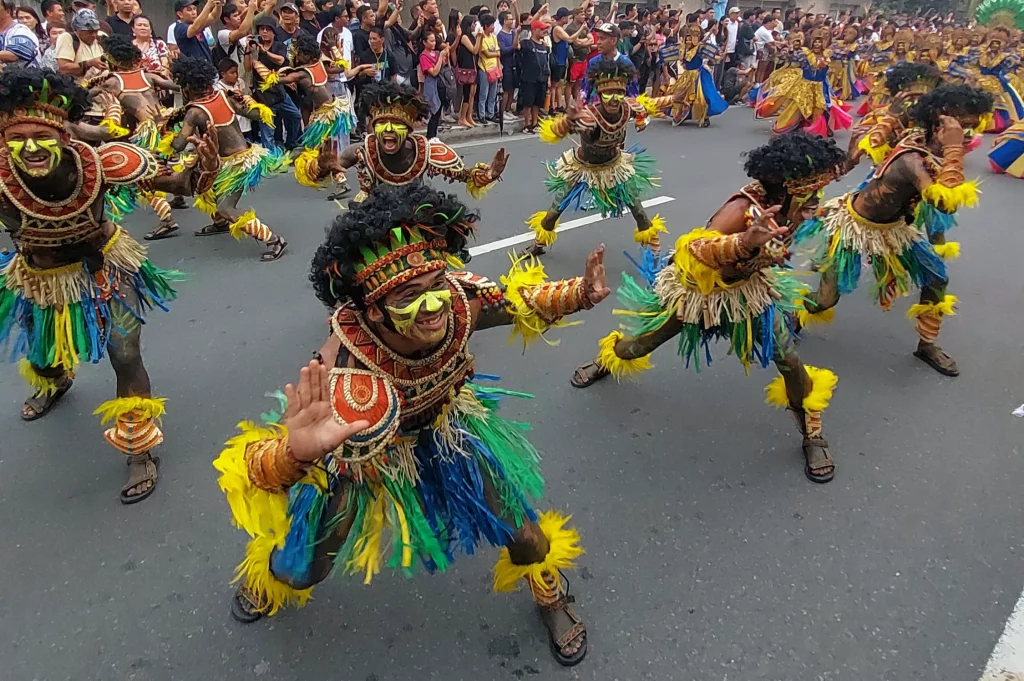
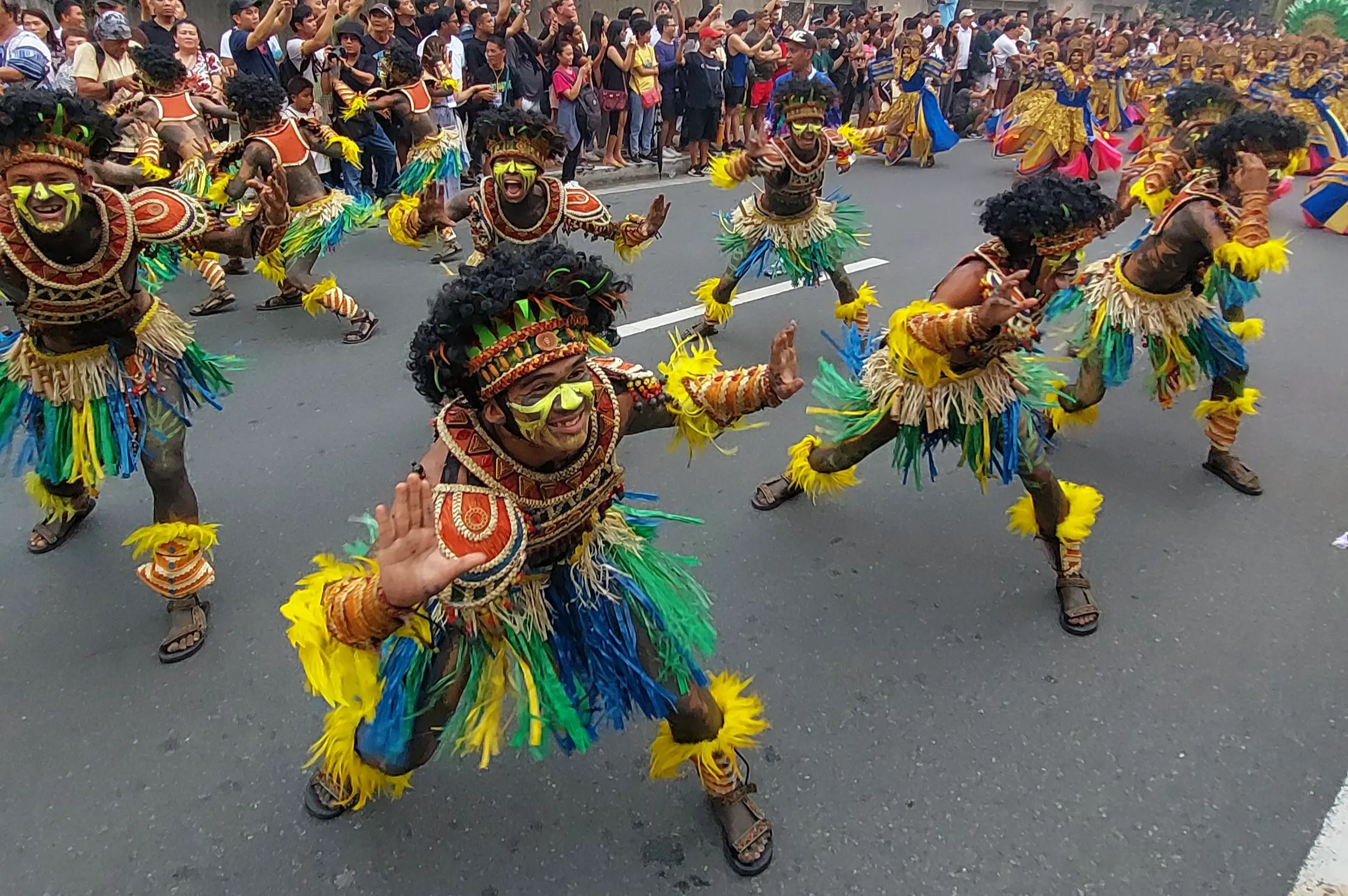
Processions and street-parades are organized, showcasing themed floats, dancing groups wearing colorful costumes, marching bands, and people sporting face and body paints which attract millions of devotees and tourists.
An essential element of festivals are the elaborate and vibrant costumes that feature bright and radiant colors, sequins, feathers, and intricate beadwork. There are various accessories including a large headdress, a cape, and handheld items such as shields, weapons, or a scepter. Both the costume and props reflect the rich historical and cultural significance of the festival.
Since 2003, Aliwan Fiesta is a three-day grand fiesta that brings together in Metro Manila contingents from different regions, provinces, cities, and towns with the best cultural street dances, floats, and Reyna search.
Dubbed as the ‘’Mother of All Fiestas”, Aliwan comes from the word “aliw”, which means entertainment.
The CCP Complex was filled last June 27 to 29, 2024 with loud music and performances that showcased richness and diversity of Philippine festivals.
This year’s Aliwan featured fourteen street dance groups, eight floats, and twenty candidates for “Reyna ng Aliwan” from festivals of various regions.
Two Ilonggo festivals dominated the street dance competition of this year’s Aliwan Fiesta led by Dinagyang (champion) and Tultugan (2nd).
Dinagyang Festival ranked first in the street dancing category followed by Tultugan Festival (2nd place), Meguyaya Festival from Upi, Maguindanao del Norte (3rd place), Niyogyugan Festival from Quezon Province (4th place), and Sinulog festival of Cebu (5th place).
The same top three group won in the Tugtog ng Aliwan contest in the same order.
Dinagyang also won Best Costume while Tinultugan received Best Musical Accompaniment award.
Guinakit Festival from Cotabato City, Maguindanao del Norte won Best in Float as well as in 2003 and 2007.
Other participants in the street dancing category include Lakbayaw Festival of City of Manila; Panagbenga Flower Festival from Baguio City; Bodong Festival from Rizal, Kalinga; Halamanan Festival from Guiguinto, Bulacan; Dinamulag Mango Festival from Iba, Zambales; Panagkakadua-an Festival from San Felipe, Zambales; Maytime Festival from Antipolo City; Hamaka Festival from Taytay, Rizal; Kaogma Festival from Baao, Camarines Sur; and Cagsawa Festival from Daraga, Albay
Sinulog and Dinagyang have been pitted against each other as to which is better and the best festival in the Philippines.
Dinagyang has had the most wins in the cultural dance category with eight wins (2004 ,2010,2011,2012, 2013,2017,2023, 2024) while Sinulog has four wins (2006, 2007,2008 ,2014). Manaragat of Catbalogan,Samar (2015, 2016) and Halad of Midsayap, Cotabato (2003) had two wins each. Buyugan of Abuyog, Leyte (2009) and Pintados de Pasi of Iloilo (2005) has one win each.
In Iloilo, the word Dinagyang came from a Hiligaynon word “dágyang” meaning “merrymaking” traced to the pact between the Datus and the locals after the arrival of Malay settlers and the legendary barter of Panay Island from the natives called Ati.
The Ati tribe competition consists of a number of “warrior” dancers (who hold a shield in one hand and a spear in another) in a tribe (locally called “tribu”) dancing in a choreographed formation and patterns as well as chanting to the sound of loud drum beats and improvised percussion instruments innovated by the respective tribes.
The Tultugan Festival showcases the various usage of bamboo in the community. Tultugan came from the word “tultug,” which means the act of making sound by tapping or striking the bamboo instrument. The performers creatively utilize the bamboo materials as part of the performance, incorporating them into their props, costumes, and instruments.
Cebu remained the holder of the most wins in the Reyna ng Aliwan pageant with the recent crowning of Mia Loureen Tamayo as Aliwan Reyna for 2024.
Tamayo of Pasigabro sa Sugbo Festival is the successor of another Cebuana, Kiara Liane Wellington of Sinulog Festival who was Reyna ng Aliwan 2023.
Cebu has 12 Reyna winners, followed by Baguio with 4 ( 2005, 2006, 2019 and 2022) and one each for Leyte (2003), Laoag (2004). Bulacan (2007). Midsayap (2015) . Tacloban (2018) and Cabadbaran (2020). # nordis.net
The author heads the Seafarers’ Division of the Sapalo Velez Bundang Bulilan Law Offices. For comments, e-mail info@sapalovelez.com, or call 09175025808 or 09088665786.