4 MIN READ
By SHERWIN DE VERA
www.nordis.net
Relentless attack against peasant organizations, leaders and other advocacy groups affected the delivery of services and programs to peasant communities in Cagayan Valley, making the recovery from previous disasters more difficult for farmers, said regional farmers’ group Danggayan Dagiti Mannalon.
“There has been no let-up in attacks, even when the region was recovering from the onslaught of the COVID-19 pandemic and Typhoon Ulysses, both of which devastated the lives and livelihoods of farmers and other marginalized sectors,” said Danggayan Chairperson Isabelo Adviento in Ilocano.
Still reeling from consecutive weather disturbances that affected the region, the provinces of Cagayan and Isabela were hit by unprecedented flooding in November when Typhoon Ulysses struck Luzon.
The Office of Civil Defense Region 2 (Cagayan Valley) said the flood affected 151,600 families, with more than 22,000 families forced to stay in evacuation centers. The deluge of water submerged 21 municipalities and one city in Cagayan; and 22 municipalities and three cities in Isabela. The provinces of Nueva Vizcaya and Quirino also reported flooding in 15 and five towns respectively. Meanwhile, damage to agriculture reached P73.79 million and destroyed public infrastructures cost the region P44.95 million.
Cagayan and Isabela also had surges of Coronavirus Disease 2019 (COVID-19) cases. Several LGUs imposed hard lockdowns to contain the spread of the infection.
As of January 17, the Center for Health Development Region 2 noted 4 cities and six towns with active transmission. The office said community transmission remains prevalent in the cities of Cauayan, Santiago and Ilagan in Isabela and Tuguegarao in Cagayan, and Solano town in Nueva Vizcaya. Meanwhile, active local transmissions were also recorded in the municipalities of San Mariano, Luna and Tumauini, Isabela, and Solano and Baggao, Cagayan.
Relief efforts hindered
Adviento noted that even during their relief work, members of the military and police harassed their volunteers. Local officials, upon the instruction of the military also prevented them from delivering relief packs and hygiene kits in several flood-hit communities.
He cited an incident in Hacienda Sta. Isabel in Ilagan City, Isabela on November 18 where the barangay captain tried to block their entry and distribution at the behest of the 95th Infantry Battalion.
“The same happened on December 18 in Brgy. Syndon Bayabo in the city of Ilagan in Isabela. Philippine National Police (PNP) personnel guarding the checkpoint prevented Tulong Sulong volunteers from delivering the goods to Sitio Laguis, which the police branded as ‘Sitio NPA’,” he recalled.
The Danggayan chair said the police even cocked and pointed their guns to the relief workers.
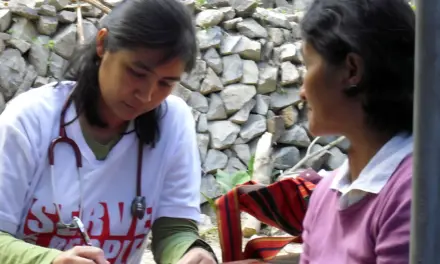
Tulong Sulong is a network of people’s organization dedicated to pooling resources for the relief and rehabilitation of disaster communities in the region. The group’s fund drive and relief operations provided food packs, hygiene kits, seed packs and other materials to more than 19,000 families affected by Ulysses.
“Other places where we encountered harassments during our relief drive were in Amulung, Allacapan and Sto. Niño, Cagayan,” Adviento added.
In some cases, local officials and state armed forces deployed in the community forced relief workers and volunteers to sign log books and took their photos without consent.
“We also have to postpone some of our scheduled delivery after the police and military ransacked my house and arrested one of the peasant organizers coordinating the relief effort,” he narrated.
On December 2 last year, police and military launched an early dawn raid in Brgy. Carupian in Baggao. They forcibly entered and searched the home of Adviento and another house where Amihan organizer Amanda Echanis and her infant child were staying. The police arrested Echanis, accusing her as a ranking member of the New People’s Army.
Attacks on agrarian reform advocates
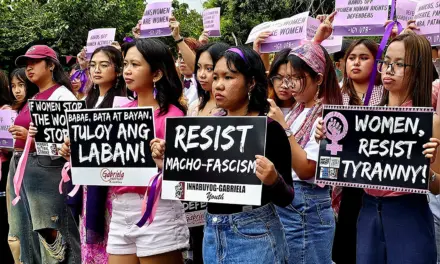
Security considerations have also become a burden for rural development workers like Cita Managuelod of Sentro ng Tunay na Repormang Agraryo (SENTRA) and Agnes Mesina of the Rural Missionaries of the Philippines (RMP). Both have been subjected to harassment, red-tagging and intense surveillance by the police and military.
Last November, a certain Aboc Sangbaan from the army’s 5th Infantry Division and police officer Sammy Canceran started asking for Manguelod in the communities. They also accused her of recruiting for the NPA and told local officials to report her whereabouts in their locality.
Meanwhile, Minadao police filed false murder charges against Mesina, Karapatan Cagayan Valley said. Also included in the case are Karapatan-CV’s secretary general Jackie Valencia and Danggayan ti Mannalon ti Isabela leader Renato Gameng.
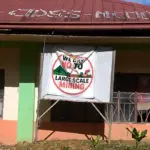
Advineto said that people’s struggle on land rights and environmental defense have been criminalized. He cited the case of the mining barricade against OceanaGold Philippines, Inc. in Nueva Vizcaya. Based on Danggayan records, criminal charges have been filed against 81 farmers involved in land grabbing cases.
Collective work affected
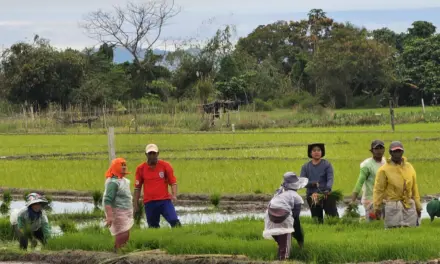
Adviento said the militarization and the red-tagging and harassment against agrarian reform advocates and local peasant organizations affected the movement and program implementation in the communities.
“Our members used to be able to engage in collective work to ease the impact of disasters and accelerate their recovery from calamities. However, the constant threat and harassment has affected their movement,” he explained.
He said military encampments in several communities of Baggao, Sto. Nino, in Cagayan, Maddela, Quirino and Kasibu, Nueva Vizcaya greatly affected the mobility of residents, and affected their farm production as well.
According to him, military and police accused Danggayan leaders and members of supporting communist rebels, and were forced to clear their names. In some places, local governments, under the request of the police or the military, also included their group in their persona non grata resolutions against the NPA and the Communist Party of the Philippines (CPP).
He said that a certain Capt. Duran of the 5th Infantry Division harassed Amihan Isabela leader Nenita Apricio, while a Maj. Somera of the 86th also threatened Rowena Hidalgo, a leader of the Timpuyog ti Mannalon ti Quirino.
“The situation made it more difficult for people’s organizations, especially those affiliated with the progressive group to implement their usual activities and local recovery programs,” he added.
Despite the challenges and difficulties, Adviento said they will continue their organizing work and socio-economic programs in peasant communities. He said the intensified repression against them is an attempt to silence the growing people’s discontent.
“These attacks can never prevent us from asserting our rights and struggle against the rice trade liberalization, land-grabbing, destructive mining and other anti-people policies of the government. We will fight on because our cause is just,” Adviento said. #