When Dissent Becomes ‘Terrorism’
4 MIN READCounter-terrorism frameworks, red-tagging, and preventive designation systems are turning political participation, land struggles, and environmental defense into security risks.




COLUMN | AS THE BAMBOOS SWAY

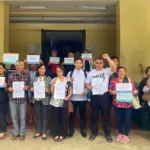
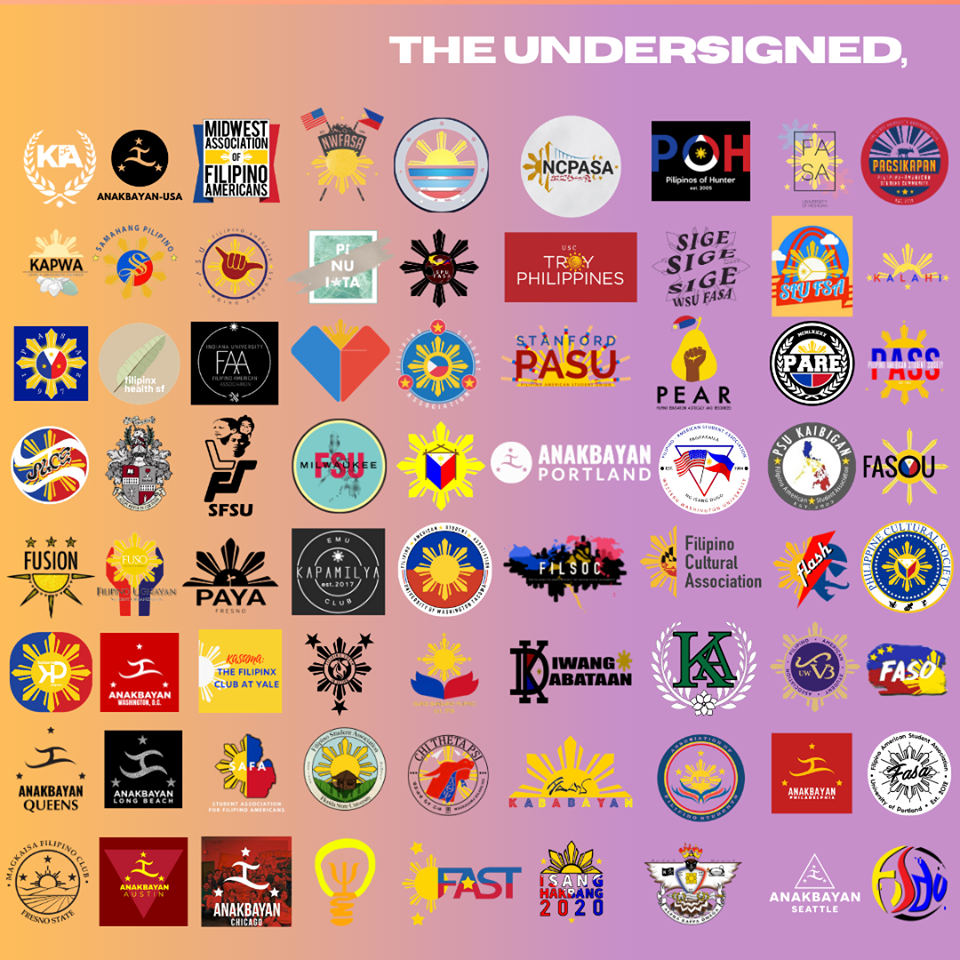
(Columnist’s note: I am taking a stand against the Philippine Anti-Terror Law signed into effect last July 3, 2020 by President Rodrigo ‘Digong’ Duterte. In the aftermath, 73 Filipino American youth organizations scattered all over the United States marched and held rallies in front of Philippine Consular offices in the United States and other recognized institutions to voice out their indignation against the bill. This is at the peril of themselves also being tagged as terrorists.
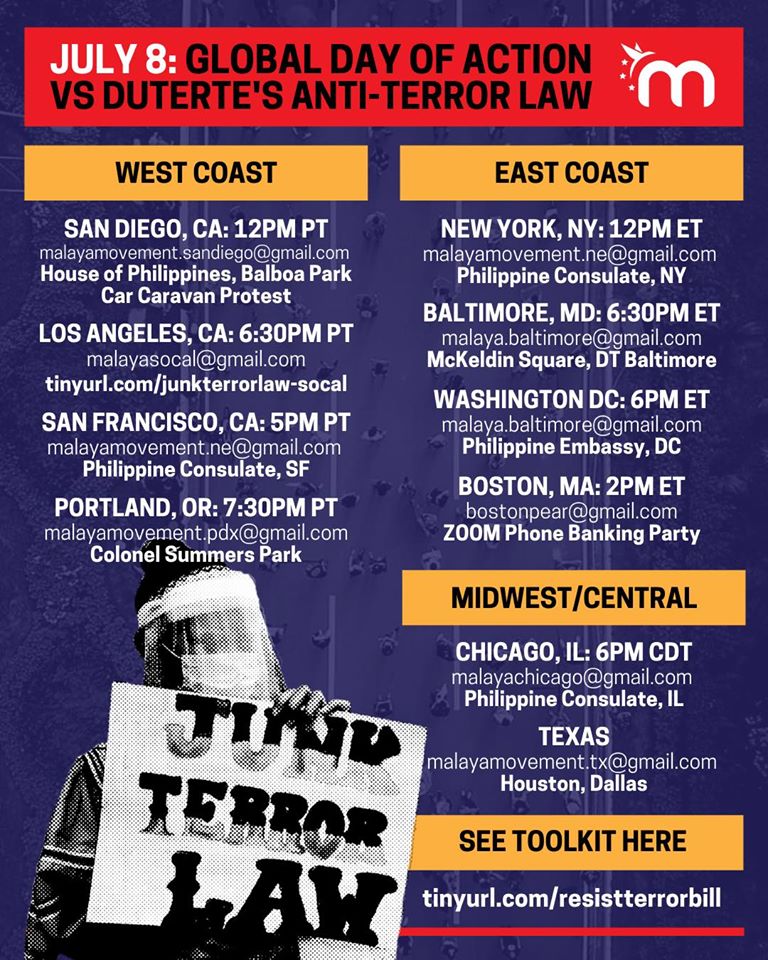
It should be noted that National Security Adviser Secretary Hermogenes Esperon Jr., last July 5, hit back at critics who oppose the enactment of the Anti-Terrorism Law of 2020, saying they could be “supporters” of terrorists although he also said that “activists are not terrorists” and they can rally as much as they want.
To this I retorted in Facebook: Wow! Galing. Ang mga aktibista raw ay hindi mga terorista but since they are critics of anti-terrorism, they could be supporters of terrorists. May ‘could be, could be’ ka pa. Eh di suspetsado na sila. Pwede na silang hulihin, inbestigahin, pag nanlaban – patayin, o kaya i-disappear. Ganoon na rin yun. Nagpaikot ka pa. Akala mo ikaw lang ang magaling.
As this column is being submitted, two activist leaders in the Philippines have already been issued subpoenas and arrested for no apparent reason. A prosecutor who is known to be ‘lenient’ to those being imprisoned has also been gunned down.
At any rate, I am relegating my column to the 73 Filipino American youth organizations who voiced out their stand. I feel what they feel, and they could best say what I would have wanted to say.)
We, the undersigned Filipino American youth and students in the United States, strongly condemn the passing of the Anti-Terror Law by Philippine President Rodrigo Duterte. The passing of the Anti-Terror Law does nothing but approve state terror and further infringe on human rights in the Philippines. Duterte and the Philippine government fast-tracked this law in the midst of the COVID-19 pandemic, completely disregarding the needs of the Filipino people for mass testing and medical solutions, economic assistance, food, and relief.
The Philippine Anti-Terrorism Act of 2020 amends the 2007 Human Security Act by expanding the definition of terrorism and who is considered to be a “terrorist.” With the expansion of the definition of terrorism, any suspected acts of terrorism permits the surveillance, warrantless arrest, lack of due process, and detention of suspects for up to twenty-four (24) days. The Philippine Anti-Terrorism Act of 2020 is another addition to Duterte’s other human rights violations. Human rights advocates stress the fact that the Anti-Terrorism Act will lead to abuses that stifle free speech.
The signing of this bill comes after a slew of attacks on the freedom of the Filipino people, from the shutting down of ABS-CBN, the unlawful arrest of the #Pride20 during a peaceful Pride protest, and the arrest of the CEO of Rappler, Maria Ressa. The Duterte government has shown to care more about strengthening a de facto martial law in the Philippines than the health and well-being of the people during the COVID-19 pandemic, with the lack of mass testing and medical supplies.
As members of Filipino American organizations, we recognize our existence is both political and a privilege. With the expansion of the definition of terrorism, our fundraisers, Pilipino Culture Nights, and open dialogues (ex. workshops, events, educational discussions) could fall under the new definition of terrorism because our programing and existence is inherently political. Filipino American organizations not only have the obligation to serve those on our campuses, but to also learn about the issues that affect those in the Philippines. As members of the Filipino diaspora, our families in the Philippines who openly criticize President Duterte and the Philippine Government will be targeted by the Philippine Anti-Terrorism Act.
As Filipino American youth, we are a product of migration that is a direct result of the socioeconomic and political strife in the Philippines via colonization and US interference; as people in the US, we have a role to play and direct responsibility to the issues in the Philippines.
We must also support the Overseas Filipino Workers and J1 workers, many of whom are youth, that are directly affected by this law as many of them have expressed neglect from the Philippine government in securing their safety and livelihood during the pandemic.
Injustice anywhere is injustice everywhere – where we allow these human rights violations and injustices to occur, it supports other countries including that of the US to do the same and normalizes the suppression of our voices and rights.
The time to act is now. When our people are threatened, we must unite and rise up against state repression. We call on the Filipino American youth to take action and stand for human rights and democracy of our people.
Undersigned: Kabataan Alliance – USA # nordis.net
4 MIN READCounter-terrorism frameworks, red-tagging, and preventive designation systems are turning political participation, land struggles, and environmental defense into security risks.
3 MIN READBesides opening doors for intricate human stories, this annual showcase of bold and untested works continues to draw acclaimed directors, well-known actors, and diverse, enthusiastic audiences.
2 MIN READKapag ang gamot ay naaagnas sa bodega habang may mga pasyenteng walang malunasan, hindi lamang pera ng bayan ang nasasayang—maging ang tiwala at buhay ng mamamayan ay unti-unting nililibing.
2 MIN READCaution is something the Philippine government should take into account, especially now that the country is preparing for wider AI training, school partnerships, government adoption, and AI-related investments.
