4 MIN READBy ALDWIN QUITASOL
www.nordis.net
BAUKO, Mountain Province — At present times where so-called modernization and commercialization cloud the minds of people in every community, not even indigenous peoples are exempted, the elders of Bila, Bauko struggle to ensure that the traditional practice of thanksgiving before the harvest lives on.
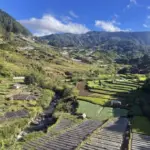
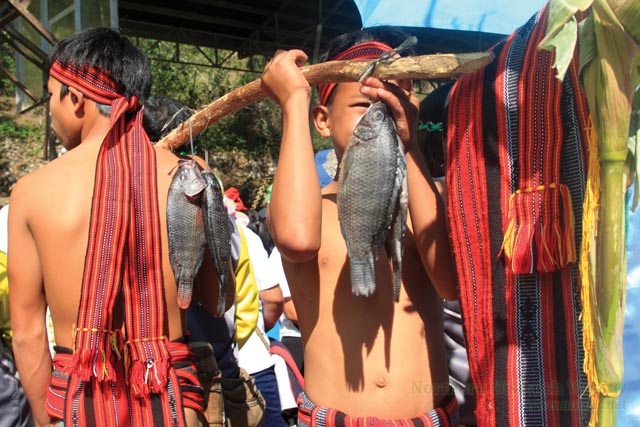
GRATEFULNESS. The Bauko people have all the reason to be thankful for the bountiful harvest they are enjoying. One way of expressing such is the annual holding of the “Begnas di Bauko” offering prayers and hosting three days of festivities where everybody is welcome. Photo by Aldwin Quitasol
Bila Barangay Captain Calixto Gamlusen said that it is in the culture of the Igorots, especially the IPs of the “Montañosa” or the Mountain Province, to be grateful for the blessings that the creator bestowed on them. He said that before they harvest their rice produce, at around the last week of April or in May, they perform rituals and offer prayers and butcher animals to give thanks to God and their ancestors for watching over them from sowing to reaping season.
Begnas, an annual event
Gamlusen said that Begnas or the thanksgiving ceremonies is done annually. He said it is part of the cycle of life for Igorots. Planting and harvesting rice, he said, will not continue without the holding of the Begnas. He also said that this is also a festival which is usually scheduled in the month of March, barely two months before harvest time for rice.
He said the people should welcome the harvest with gratitude and in festive mood. He said that this is to appease “Kabunyan” (The Creator) and their ancestors, and so that they will be blessed again next planting to harvest season. Gamlusen said that the people will have feasts and merry-making because it is a fiesta. However, he stressed that the people should not forget the importance of Begnas as one of the ways of life as Igorots.
Gamlusen said that before the people celebrate Begnas, the elders perform rituals led by the “Menpatik” or the oldest most knowledgeable among them; he has the authority to lead them in the whole process of the ritual. He said that the “menpatik” also serves as the priest in holding healing rituals for the sick.
Elder Bonifacio Dipollo, 75, said he learned how to be a “menpatik” from his parents. He said he started leading the Begnas ritual more than ten years ago.
First part: the “pigi”
Dipollo details that before going to the “papatayan” (prayer grounds where they offer sacrifices), the elders perform the “pinikpikan” in the “at-ato” (the elders’ dwelling place). Here they will offer a hen or a young rooster. The “menpatik” reads the chicken’s bile. According to Gamlusen, if the bile of the chicken is partly, if not entirely, hidden by the lungs, it means that good fortune will not abandon the community celebrating the Begnas.
“Umey ed dontog ta men-kidaw si labeg” (going to the mountains to ask for good fortune)
After the “menpatik” prays over the sacrificed chicken, the elders then proceed to the “papatayan”. While going to the mountain of prayers, they beat their “kalasag” (wooden shields) with a piece of wood. They stopover at the established sacrificial rounds where they set up a bonfire. The “menpatik” once again recites a prayer to “Apo Kabunyan” after which the rest of the elders respond in chants. They then offer “tapuey” (rice wine) and then every elder present may drink some.
Two elders stay at the bonfire area while their companions proceed on scouring the “papatayan” grounds beating their “kalasag”.
Gamlusen said that have to make noise by beating their shields until they hear a response. He said that they would not stop even if it would take them many hours. That day, they heard the chirping of a bird; he said this is a response they were waiting for.
They call the chirping of the bird, and the bird itself, “pilok”. “Siya et sa, wada’y isaa tako ay labeg,” (So that is it, we will bring home the good luck). The elders then return to the “At-ato”.
“Lambakan nan labeg” (Celebrate the good fortune)
At the At-ato, the elders bring out the “solibao” (Igorot drum) and the gongs. They dance the “sayaw” alternately. The process of beating the drum and the gongs and the “sayaw” is called “lambak”.
After all the elders dance the “sayaw”, they do the “giligil”, where they prepare to return to the “papatayan”. The “menpatik” leads the elders in dancing the “palakgong”, where one beats the solibao, and the others beat the shields the same way they beat the gongs during the “sayaw”. The menpatik and another elder dance, each holding a spear with the tip pointing upwards.
“Abangkaw” (offering and thanksiving)
The elders then return to the papatayan to deliver the “patay” (sacrificial pig). Dipollo said that it should be a native sow so as to please Apo Kabunyan and the ancestors. They also bring with them the “aklat” or a rattan backpack containing various kitchen and dining utensils to be used by the spirits.
After killing the pig at the papatayan, the menpatik leads the prayers and the chanting. Then elders opens up the pig where the menpatik reads the bile.
One of the elders then beats the solibao while the menpatik starts the “basabas di abangkaw di patay” (asking for more blessings and offering the pig). Gamlusen said that five elders will take turns in performing the “basabas di abangkaw” where they would dance, pray and chant. He said this concludes the Begnas ritual.
A call to the younger generations
Gamlusen said the youth should not forget who they are. He said they are the children of “Kabunyan” and that they are very dependent on the fruits of the earth God created for them. He said that as they enjoy the bountiful harvests Kabunyan is providing, they should bear in mind that they have also the responsibility to take care of the earth so that the future generations will have something to inherit.
“And they should never forget their culture, the values that the ancestors passed on to us that we will also pass on to them. They should never abandon the spirit of thanksgiving, they must continue with the Begnas,” Gamlusen ended. # nordis.net