4 MIN READBy JUDE BAGGO
www.nordis.net
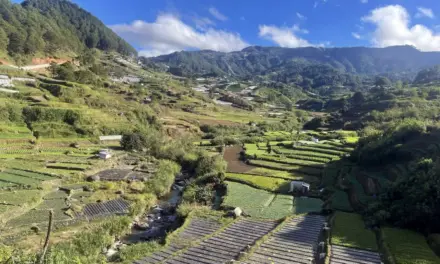
Living among the Guinaang tribe in Pasil, Kalinga disabused the notion of few people that the province is a land of conflict. In fact, I learned and witness some of the ways of life of the people. I learned their deeper respect for their elders and among them. I learned few of their traditional disaster preparedness and mitigation. I witnessed one of their dying cultures, their hospitality. And above all, I witnessed their resilience, unity and courage as a people in difficult and trying times.
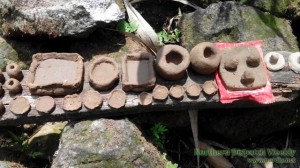
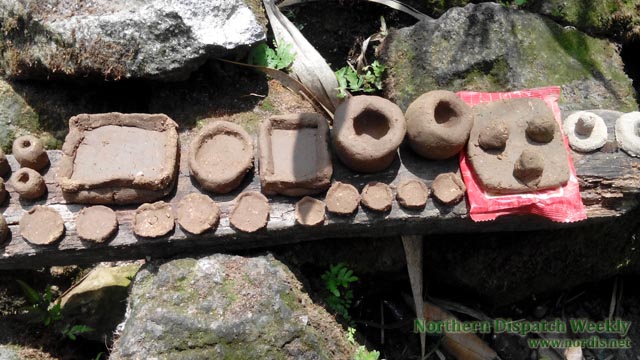
Pottery made by children. Photo by Jude Baggo
The Guinaang tribe of Pasil, Kalinga is among the peaceful tribes in Kalinga. The tribe consists of six barangays of Pasil: Guinaang Proper, Galdang, Bagtayan, Pugong, Dangtalan, and Malucsad. The Guinaang tribe is among the remaining tribes in Kalinga that has maintained their indigenous practices. The role of elders is still respected and central in community affairs. Community support mechanisms such as
ang-as, pango and other forms of collective work and support systems are still practiced by the tribe.
Ceremonies such as pusipus are still performed by the people. Pusipus is the Guinaang tribe’s celebration of the greatness of life. It is usually a one day and one night occasion where all tribes are invited to join and participate to the celebration. Carabao and pigs are butchered for every meal to feed visitors. Drinks are also overflowing. It is also an unwritten process-requirement to be recognized as an elder in the community. The total expense for a pusipus can amount to 300-400 thousand pesos.
Traditional housing planning of the tribe is remarkable. Like any other tribes, the Guinaang communities are located in favorable geographical terrains not only for the beauty but for defense in times of tribal wars. Their typical houses have similar design; 2-storey with the upper floor serving as sleeping, kitchen and other purposes. The lower part is an area for their domesticated animals, storage for wood and other things. Amazingly, their houses are built apart which seems to be equally a few meters from each other.
According to one elder, in the earlier period before the introduction of commercial building materials, all houses were nail less and made of wood, cogon grass and other local materials. With these materials, especially during the dry season, a single spark can start a fire and burn all their houses. To avoid and control fire, the people designed a fire control method. During those times, a bamboo-container filled with water is always positioned outside their houses in cases of fire especially during summer. In their experience, when a house is on fire, all those bamboo containers filled with water are carried by people to the house on fire and used like water truncheons. The cogon or pan-aw grass roof is also designed in a way that is is easy to dismantle and seaparate the burning portions and preventing the fire to spread to the rest of the grass roof by cutting ropes tied to the main frame of the house.
The Guinaang tribe is also one of the few tribes in Kalinga who still make pottery the traditional way. One Sunday morning while walking near the church, I came across a group of small children making some pots out of mud. The next day, real pots out of clay were displayed near the house we were staying in. It was explained that there are few remaining women who practice pottery in their tribe. Most households in the community also owned a clay pot purposely for cooking food with soup especially their binungor, a Kalinga delicacy cooked with chili. It is explained that the clay pot can hold heat longer; evaporation is lesser and cooking in it consumes less charcoal. Women also added that the taste of food cooked in clay pots is more delicious.
The people of Guinaang are not only rich in culture but are also endowed with natural resources which caught the greedy and destructive corporations to the area.
Courageous people
The communities of Guinaang are practically nestled in gold, waters, and mountains. The Makilala Mining Corporation (MMC) started problems when it applied for at least 3,000 hectares of the Guinaang ancestral lands for mining. The National Commission of Indigenous Peoples Commission (NCIP) conducted series of meetings and consultations at the area allegedly to convince the tribe to give their consent for the project.
However, the people rejected the entry of MMC. Around 700 residents even signed a Manifesto rejecting the proposed entry of the MMC. The Guinaang tribe went further to sue the NCIP provincial office for alleged violations in the process of acquiring the FPIC in the area.
With the manipulation and control of the MMC and NCIP of a few officials and elders, the people of Guinaang Proper decided to form a farmers’ association, the Indigenous Farmers of Guinaang Pasil Inc. (IFAGPI). The association was formed primarily to advance the interests of farmers in Guinaang. During its 1st general assembly, IFAGPI decided to host the 2014 Cordillera Day celebration in Guinaang, Pasil. Later on, to host the celebration of the Cordillera day was agreed on and adopted by the entire tribe.
Their consent to hosting it did not come easy or on a platter. Political vilification, threats, harassment, intimidation and other forms of rights violations were committed by state security forces and few employees of the local government unit against the majority of the tribe. These violations continued even during the celebration of the Cordillera day itself.
The people defied these threat and come out victorious. These dirty tactics purposely to instill fear, paranoia and chaos did not match the people’s spirit, courage and determination. Women, elders, the youths and children of the tribe actively participated from the preparation to the culmination and post celebration.
This is a victory of the people for land, life and resources. This is a victory for the future generations. Salute to the Guinaang tribe. May your tribe increase. # nordis.net