3 MIN READBy INNABUYOG-GABRIELA
First of three parts
Innabuyog-Gabriela is reprinting this reflection of Valerie Francisco to enlighten Women’s Front readers on these experiences. — Ed
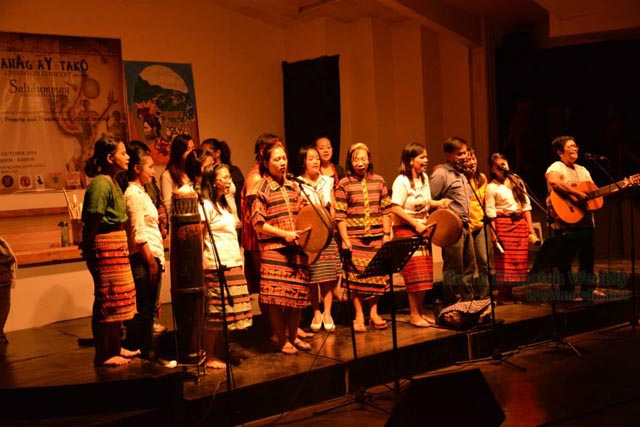
We arrived in Baguio, where we were struck, first, by the agreeable cool weather, different from our time in Metro Manila. We all clung to our sweatshirts and wished that we brought longer pants to northern Luzon. Little did we know, the cool weather in that beautiful city did not reflect the heat of the women’s resistance and organizing against the growing and invasive foreign capitalist presence, political harassment and military occupation in the Cordilleras.
Four Filipino-American women from Gabriela-USA, on our first annual summer exposure program to the Philippines, soon learned that every moment in the Cordillera is a learning moment. With confidence, the indigenous women from Innabuyog welcomed us and taught us our rightful claim to the people’s land, life and resources.
Before my team left for our community integration in Tanglag, Kalinga, the Innabuyog secretariat explained to us that chief of the issues tackled by the women’s movement in the Cordilleras was against the imposing state and corporate aggression in the area. The state and its confluence to US imperialism, and capitalist-corporate development come hand in hand in worsening the lives and conditions of people in the Cordillera.
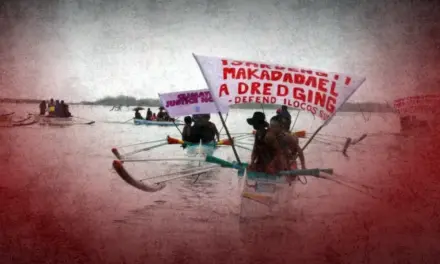
As relentless corporations try to dig their stakes in the ancestral domains of indigenous peoples in the Cordillera, the Philippine government and its spineless loyalty to imperialism follow suit by passing one law after another to allow illegal and undemocratic “development” in the area. These laws blatantly reflect an American perspective of developing “third world” localities through corporate money and greed.
The political and economic situation inflicted by a market-oriented system imposed by the Philippine government necessarily throws the people’s welfare and needs out the window. Policies and laws like the Oplan Bantay Laya and the Human Security Act or the Anti-Terror Law, silence the people’s voices when their lives and work are compromised by state and corporate aggression. For indigenous women, this manifests in limited movement for economic, cultural and political activities, as the overbearing presence of the military impresses a threat or death on women who choose a life of action.
This was and remains the political, economic and cultural situation in the Cordillera region. Militarization as a protective coat for state and corporate aggression weighs heavily on the lives of indigenous women. Duties of planting, harvesting and agricultural maintenance are slow-down when military troops occupy rice field cottages and villages. Children and husbands endure traumatic experiences at the hands of the military, incidents of physical abuse and accusations of terrorism take a toll on women’s well being as they hold responsibility for the welfare of their family.
All of the Gabriela-USA sisters understood the threat of militarization on the lives of women since in the US, the policing in neighborhoods, schools and public spaces is steadily increasing. Furthermore young men and women of color in our own communities in the US are the first targets for military recruitment for the US imperialist War of Terror. Funding goes into military recruitment and growth rather than education or after school programs, our communities’ livelihood and atmosphere grows bleaker as the government focuses on transporting our youth out of the country.
As the options for economic mobility narrow, the only option for communities of color in the US is the military. Many young men and women join the military even if they do not agree with US politics but because the conditions of education and employment is so strained. Going into war zones in other countries is better than staying in the depreciated zones in the US. It is clear both in the US and in the Philippines, state sanctioned laws and strategy to support the military has never benefited the people’s conditions.
I, personally, could not sit comfortably with the Philippine replica of the Patriot Act, the Human Security Act, as a tool to “protect and serve” the Filipino people when in the US the Patriot Act has criminalized many people in the Filipino-American community. In the Philippines, HSA has not only mimicked the words of the policy but also the brutal violations of civil liberties as well. In our Innabuyog orientation, it was clear that these proposed protective laws were not helping the people either.
Continued next week